Showing posts with label Moonlight Vizslas. Show all posts

Tuesday, March 12, 2019

Friday, February 8, 2019

Zoomies: Why Your Dog Gets Hyper & Runs in Circles

Arielle & Cordie at the beach in Santa Barbara

Have you ever caught your dog running in circles at top speed around the backyard or house? I’m sure you wondered what he was doing. Was he stung by a bee, spooked by something, or had he turned into a wild animal? Chances are it was simply a case of the dog zoomies.

According to Los Angeles-based Certified Applied Animal Behaviorist Jill Goldman, Ph.D., zoomies are a type of Frenetic Random Activity Period (FRAP) where a dog seems to suddenly explode with energy. “They are bursts of energy like a volcano. Energy builds up then there is the expression and release of that energy.” Usually, with the zoomies, a dog will show repetitive behavior like running around in circles, taking laps around the yard, or continuously circling the dining room table.

Goldman explains that dogs engage in the zoomies when, “they have some form of excess energy that’s been contained such as physical energy, like when they’ve been crated, or nervous energy, like when they have tolerated an uncomfortable situation.” The chance to finally release that energy can lead to seemingly wild FRAPping behavior. “Anytime your dog has been denied the opportunity to express his natural energy levels; you can predict a case of the zoomies.”

When do Zoomies Happen?
Given that zoomies are a way for dogs to get their energy out, they often happen first thing in the morning after dogs have rested all night. They can also happen later in the day for dogs that have been confined in a crate or haven’t been walked. Stressful situations like being restrained, a bath or grooming session, or a trip to the vet can also lead to the zoomies. Even a good poop can send some canines running around in circles.

And it’s not just puppies that zoom. Dogs of any age can participate in the behavior. But Goldman says the younger the dog, the more often you can expect it. “The more energy a dog has and the fewer opportunities to exert that energy, the more often you’ll see it.” Senior dogs sleep far more than young pups, so they have less energy to exert in the first place, but without the chance to express themselves appropriately, they can feel the need to zoom too.

The zoomies are a normal and natural dog behavior. Not all dogs participate, but those that do often seem gleeful, as if they are having a fabulous time. In fact, play bows often go hand in hand with the behavior. As dogs are finally letting out their pent-up energy, it’s no wonder they seem to be having so much fun.

Are Zoomies Safe?

But are zoomies safe? As long as there are no obstacles to get in the way and harm your dog in the process, Goldman says it’s fine to let your dog’s zoomies run their course.

When you see the zoomies coming on, like after a trip to the bathtub, be sure your dog is in a safe place. Perhaps a carpeted room to prevent slipping and falling, and certainly away from delicate trinkets on the coffee table. Or let your dog zoom in a fully fenced yard where he can’t get into any trouble. Allow your dog to enjoy himself and get it out of his system.

As fun as they look, is there ever a time when the zoomies are cause for concern? Goldman suggests tracking your dog’s zooming behavior. If you chart when the zoomies are happening, you can understand why they’re happening. Perhaps it’s just after a bath for example. Occasionally is fine, but a dog that zooms frequently might be one that is spending too much time in the crate or dealing with too much stress. “If they’re often happening in the house, then you’re probably not giving your dog enough physical and mental stimulation,” she suggests.

A dog that engages in the zoomies all the time could also be a sign of a bigger problem. “It’s important to make a distinction between normal zoomies and compulsive behavior like excessive tail chasing or chasing shadows continuously,” says Goldman. If you have any concerns about your dog’s zoomies, such as them happening all the time or in stressful situations, consult a certified applied animal behaviorist or a veterinary behaviorist to help get to the bottom of the situation.

Written by By Stephanie Gibeault, MSc, CPDT Jan 29, 2019
https://www.akc.org/expert-advice/lifestyle/what-are-zoomies/

Sunday, February 3, 2019

And then there were NONE!


And then there were NONE!

Last but not least, Shepard is now “Bernie”! This sweet boy is going to live the beach life in beautiful Pacific Grove, CA, with Barbara and Jon. He is an old soul with a kind and gentle temperament. He joins another Moonlight family member, big brother Ember (2014 Spenser/Zene Litter) and we know they will become fast friends. We look forward to seeing his debut in the show ring soon. 
We will miss you, lovey green boy!💚

And then there was ONE!


And then there was ONE!

Sheldon, now “Oslo” is going home with experienced Vizsla owners Sam and Eckhard who are dedicated to spending each and every day filled with fun activities and training and are devoted to giving their new puppy the best life possible. Oslo is the whole package! He is sweet, inquisitive, so very handsome and eager to please. This pup is sure to be a showstopper in the show ring.

We love you Oslo! ❤️

Saturday, February 2, 2019

And then there were TWO!


And then there were TWO! 

Sweet Sheridan is now “June”. This lucky little girl is going to first-time Vizsla owners Chip & Elizabeth who are enthusiastically joining the Moonlight family! June is a petite little pixie who steals the heart of everyone she meets -- but she has her "spicy" side just like her mama Harley! We look forward to watching this girl floating around the show ring and showing her prowess in the field hunting birds!

We will miss you Purple Girl! 💜

Friday, February 1, 2019

And then there were THREE!


And then there were THREE! 

Sherman is going to live a Vizsla’s dream life in Fruita, Colorado, with friend and newly retired co-worker Heidi and her husband Ken. Sherman is in one word = lovable! He is built like a tank and has two speeds, 100mph or snooze (ideally napping in a cozy-cave!). He is a sweetheart and is eager to please. He has an independent streak and is decidedly persistent which will make him an ideal hunting companion as he won't give up on a hunt/scent.

We love you Sherman and can’t wait to visit you in Colorado! 🧡

Name coming soon!

Go Home Day is approaching!


Go Home Day is approaching as the pups are turning 9 Weeks Old! Jen and Brian have raised four gorgeous babies -- and Harley has been an outstanding mom. 

Sending puppies off is always bittersweet but being choosy with home selection ensures a level of comfort when they start their new life.

We include our "world famous" go home bag containing most everything to get the puppy started off in their new home. Some items we include:
  • Lupine Collar and Leash Set
  • Tick Puller
  • Clicker
  • Puppy Culture Exercise Booklet
  • Toothbrush
  • Kong
  • Nylabone
  • Chewies (bully sticks, beef cheek slices - not rawhide)
  • Plush Toy
  • Treats
  • Blanket that smells like littermates/mom
  • Folder with Contract and TONS of handouts on puppy raising, socialization, training, etc. 


Are Dog Parks Worth the Risk?

Are Dog Parks Worth the Risk?

Grin


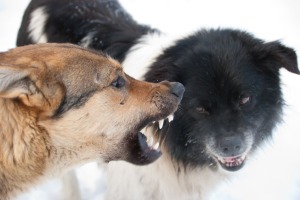
Recently, a woman took her dog to the dog park for some fun and exercise. She envisioned him frolicking with other dogs and coming home happy and tired. Instead, the poor dog came away needing surgery to save his life, along with more than 10 puncture wounds. I saw the photos; suffice it to say they were both sickening and heart-wrenching. Just a few days later, another woman posted on Facebook about an encounter at the same dog park. Her dog had been attacked, had suffered serious damage to a limb, and needed to be rushed to the vet. The owner of the other dog refused to acknowledge that her dog had done anything wrong, and fled the scene.

Fortunately, both of these dogs will recover—physically, at least. As anyone who has ever suffered a bodily assault knows, the toll goes far beyond physical injury. The extent of emotional damage to any dog who has been attacked depends on the seriousness of the attack and on the temperament of the individual dog. For some dogs this type of encounter can, understandably, result in a fear of other dogs. And as any trainer worth her salt knows, that can translate to fear-based reactivity, which most people call aggression.

Does every encounter at a dog park result in physical or emotional damage to dogs? Of course not. But you might be surprised at how many dogs are having no fun at all, despite what their owners might think. When I was putting together my seminar Dissecting the Dynamics of Dog-Dog Play (click the link for the DVD), I needed lots of video of dogs playing. One of the places I spent time at was our local dog park. I filmed hours and hours of various breeds and sizes of dogs playing together. Although I was already aware that some dogs enjoyed playing more than others and that some encounters were definitely not positive, when I reviewed the footage in slow motion, I was shocked. Sure, there were examples of safe, non-threatening play. But there was also a myriad of instances in which dogs were practically traumatized as their owners stood by, totally unaware. One example comes instantly to mind: Within seconds of a man and his medium-sized mixed breed dog entering the park, the dog was rushed by other dogs who wanted to inspect him, as is typical in any canine group. But one of the greeters clearly scared the newcomer, who then lunged and snapped. The owner gave his dog a verbal warning for that defensive action and kept walking deeper into the park. Another dog approached and this time, with his tail tucked, the dog snapped and lunged more intently. The owner grabbed him by the collar and chastised him. Over the next five minutes, the dog had four more encounters that resulted in his being punished by the owner, each time more harshly. It would have been clear to anyone versed in canine body language that the dog was afraid, and was becoming more and more reactive because he was on the defense. It was difficult to stand there filming, and I considered aborting to go and speak with him. Just then, a woman who was a regular there approached and struck up a conversation with the man. Thankfully, she was able to convince him that his dog was scared and to leave the park. I’m sad to say that this was far from being the only negative encounter I filmed. More importantly, this sort of thing happens daily at dog parks across the world.

By now you’re probably thinking, Gee Nicole, how do you really feel? The thing is, I’ve seen the flip side as well. I’ve watched a group of ladies who meet at the park most mornings with their dogs. They’re savvy about canine body language, and although they enjoy socializing with each other as their dogs play, they constantly monitor the action. If play begins to become too heated, they create a time out by calling their dogs to them for a short break before releasing them to play again. In this way, they prevent arousal from escalating into aggression. The dogs all know each other and for the most part get along well. I have absolutely no problem with this type of scenario. Unfortunately, it’s far from being the norm. The typical scene at a dog park includes a random assortment of dogs whose owners range from being absolutely ignorant about dog behavior to being well informed, with most of the population falling somewhere in the middle. And why not? They’re not dog professionals, but loving owners who simply want their dogs to get some exercise and have a good time. In most cases, they’re not aware of the subtle or not-so-subtle signals that could indicate danger, or even that dangers exist. Comments like, “Ah, they’re dogs, they’ll work it out,” and “Oh, he’s fine” abound. It’s strange if you think about it: if you were the parent of a young child, would you send him in blindly to play with a group of kids that possibly included bullies and criminals? Wouldn’t you at the very least stand there and observe the play for a few minutes before allowing him to join the fray? If you did allow the child to participate, would you not keep an eye on him and leave if you felt there was a potential threat? And yet, at the dog park, the majority of owners never do those things.

In the best of all worlds, there would be mandatory education for dog park attendees as well as a knowledgeable staff member or volunteer at every park to monitor the action and to stop dogs who are known to be aggressive from entering in the first place. Perhaps a membership model would make this possible. Unfortunately, that is not the reality. And so, it falls to we owners to be advocates and protectors for our dogs. That means if you absolutely insist on taking your dog to a dog park, that you scan the environment before entering, that you monitor your dog’s play even while chatting with other owners, and that you intervene even to the point of leaving if necessary when you feel something is not right, even if that means facing social ostracism. Personally, I prefer play dates with known quantities rather than a park full of potential aggressors who might do serious physical or emotional damage to my dogs. If I do take mine into the dog park to run around, it’s during off hours when the park is empty. You might find this over the top or even paranoid. That’s okay. If you heard all of the stories I’ve heard over the years and seen all of the damage I’ve seen, you might think twice about whether dog parks are worth the risk.
______________________________________________________________________________

You can find my books, seminar DVDs & more at www.nicolewilde.com. Don’t want to miss any blog posts? Subscribe at the top of the page. You can also follow me on Facebook and Twitter.

Thursday, January 31, 2019

How to Stop Your Dog’s Annoying Humping Behavior


Like many canine behaviors that we humans find annoying, inconvenient, or embarrassing, dog humping is a perfectly normal behavior. And like other such annoying, inconvenient, and embarrassing behaviors, it’s perfectly reasonable for us to ask our dogs to stop, or to at least reserve the behavior for times or places that are considered more appropriate by the human family members. 

So why do dogs hump? Reproduction aside, the most common reason dogs hump things is in response to stress, anxiety, and/or excitement

Entire article: https://www.whole-dog-journal.com/issues/17_15/features/Dog-Humping-Behavior_21156-1.html?ET=wholedogjournal%3Ae222912%3A821510a%3A&st=email&s=p_Grabbag061916&omhide=true&t=article1

Sunday, January 27, 2019

We're 8 Weeks Old!

Shepard, Sherman, Sheldon & Sheridan 

The babies are 8 Weeks Old -- time flies! Jen and Brian have raised four beauties and Harley is a fabulous mom. We could not be more proud! 


8 Week Mugshots!

Shepard - Green Boy 8 Weeks

Sheldon - Grey Boy 8 Weeks

Sherman - Orange Boy 8 Weeks

Sheridan - Purple Girl 8 Weeks

Friday, January 25, 2019

The Spectrum of Dog Sociability

Folks are often surprised that their Puppy Culture-raised dog is not indefinitely tolerant of every sundry dog it meets. This flow chart on "normal" dog sociability from Cindy Bennett Martin is the BOMB and clarifies what's normal, even with excellent socialization. 


As so often is the case, the problem lies in expectations - we expect dogs to stay on the left hand side of this chart whereas in reality that is highly unusual in an adult dog. 

They are almost always going to move to some degree to the right, no matter how excellent your socialization and rearing plan is. Listen to your dog and give him what he is asking for!

Why My Puppies Are Free . . .


Why My Puppies Are Free (Also Known as “What Puppy Buyers Should Be Able to Expect from Breeders”)


This post is com­ing from the fact that I WANTA PUPPY LIKE MERDE AND WHOA AND HECK, as well as the ongo­ing men­tal dis­cus­sion I’m hav­ing with myself about health issues. I have the two elements–prospective buyer and breeder–all swirling around in my head.

And this is a bit of the pat­tern that is get­ting splashed up against the wall of my brain.

One ques­tion that is always a lit­tle dif­fi­cult to tap-dance around, when you’re a breeder or when you’re a buyer, is the price of the puppy in ques­tion. It’s con­sid­ered bad form to pub­licly price pup­pies, because that implies that this is a straight­for­ward trans­ac­tion: You give me a pile of Benjamin’s and I hand you this puppy, end of story. We instead try to com­mu­ni­cate that it’s hard to get a puppy from us and we want you to seek out and develop a rela­tion­ship with us before we start talk­ing busi­ness. It’s also sup­posed to imply that you as a buyer shouldn’t go shop around for the low­est price, because this is not a dish­washer and one does not equal another.

Unfor­tu­nately, this can some­times lead breed­ers to adopt the “If you have to ask, you can’t afford it” scheme; this was a pretty big prob­lem in Danes. There were some breed­ers who decided that their show pup­pies were worth $5000 plus two pup­pies back, even though other breed­ers using sim­i­lar pedi­grees and sim­i­lar win records were pric­ing at a quar­ter of that amount. It can also lead own­ers into a kind of ridicu­lous secret-handshake rou­tine where they are still try­ing to shop around but have cal­cu­lated exactly how long a phone con­ver­sa­tion they have to have with a breeder before they can del­i­cately men­tion prices.

That’s prob­lem one.

Here’s the other back­ground prob­lem: Every sin­gle prospec­tive puppy buyer, with­out excep­tion, is sort of pre-traumatized when they come into the rela­tion­ship with you. Since the peo­ple who end up with good breed­ers are the ones who have taken time to research a lot about dogs, most of them already feel some­what defen­sive about buy­ing a puppy rather than adopt­ing one. They’ve read a great deal about how the only good way to get a dog is to go to a shel­ter, pound, or res­cue, and they intel­lec­tu­ally dis­agree (or they wouldn’t be call­ing you) but they feel either a lit­tle or a lot guilty about it.

Com­pound­ing this prob­lem is that, again with­out excep­tion, they know some­one who has been “ripped off” by a breeder or they them­selves have had a bad expe­ri­ence with a breeder. They want a puppy, often quite des­per­ately, but they are not quite sure whether they need to set them­selves up as our friends or our adversaries.

Here’s the absolute worst thing you can do: After the long phone con­ver­sa­tion tap-dance, name the big num­ber and then jus­tify the price of your pup­pies by com­par­ing what you have or what you’ve done to what your peer breed­ers (i.e., other Cardi­gan exhibitor/breeders) have and what they’ve done, mak­ing sure the buy­ers under­stand that your pup­pies are bet­ter than those breed­ers’ dogs and DEFINITELY bet­ter than adopted/homeless dogs because of XYZ(I’ve even heard peo­ple use spe­cific names, or crit­i­cize spe­cific shel­ters, which is really uncool). Tell them that your dogs are expen­sive because they’ll live longer and are health­ier and bet­ter tem­pered, and they’re pret­tier too.

Why is that a ter­ri­ble idea? Because there is NO WAY ON EARTH you can guar­an­tee that. You are giv­ing them a live ani­mal in its infancy, and 99.5% of what is going to hap­pen to that ani­mal has noth­ing to do with the good breed­ing deci­sions you may or may not have made (and, all too often, we don’t find out until the pup­pies are five years old or even older that in fact it was NOTa good thing that we bred those two dogs because the now-grown pup­pies are metaphor­i­cally or lit­er­ally drop­ping like flies).

DO NOT FOOL YOURSELF. Even in the best lit­ter you’ve ever bred or will breed, there will be pup­pies that are less than stel­lar in appear­ance or health. I don’t care what health tests you do–you WILLmake pup­pies that are genetic dis­as­ters and die young, some­times hor­ri­bly young and hor­ri­bly trau­mat­i­cally. And there are WITHOUT A DOUBT going to be tem­pera­ment prob­lems in some pup­pies or grown dogs. Some­times it’s because you con­vinced your­self that your bitch who tried to bite a judge, attacks all other dogs, and who vio­lently shies away from any­thing red, round, less than two feet above the ground, or wear­ing a hat is that way because the neigh­bor from next door looked at her funny when she was three months old, instead of admit­ting that her loose screw is being very pre­dictably passed along to her kids. Far more often it’s because the owner made a series of very bad deci­sions, as own­ers often do, and cre­ated a problem.

If you’ve pinned a dol­lar amount to health, longevity, or tem­pera­ment, the new owner has every right to be furi­ous and every right to call this a rip­ping off. You sold some­thing that you did not deliver.

And these are the own­ers that will try to con­vince every­one they know that breed­ers are bad news, and the expen­sive ones are not only dis­hon­est but greedy. No breed­ers can be trusted, so buy­ing from the clas­si­fied ads is just the same as buy­ing from the breeder of the big win­ners and so you should just go save your­self some money.

And that’s the GOOD sce­nario. In the bad sce­nario, you get sued for breach of con­tract and you never breed again.

So let me sug­gest an approach that I did not come up with–this is what my very wise and won­der­ful Dane men­tor told me.

BE HONEST. That’s all puppy buy­ers want. Aside from the very few gen­uinely bad ones, who are not going to be happy no mat­ter what, buy­ers want to know the real sit­u­a­tion. They want to feel respected and they want to know that you’re not going to cheat them.

And the HONEST truth is that we can­not in any way guar­an­tee that our pup­pies will meet or exceed the health, per­son­al­ity, tem­pera­ment, or behav­ior of any other dog. We can say that we’ve done our absolute best to weigh things in that puppy’s favor, and we can explain exactly how we’ve planned the breed­ing and how we’ve raised the lit­ter and why we think those prac­tices give this puppy a bet­ter chance than the peo­ple down the road with the “Yelo Lab Pupps: $650″sign on their tree, but this is a liv­ing organ­ism and all we’ve done is observed it until it’s eight weeks old.

And so, again fol­low­ing the advice of a far wiser breeder than I, when peo­ple ask me how much my pup­pies are, I tell them “They’re free. Or, if it makes you feel more com­fort­able, they’re what­ever the price of an aver­age shel­ter adop­tion is in your neigh­bor­hood. When and if we decide that this is a good match and you decide to get a puppy from me, you’ll be writ­ing me a check for [what­ever it is], but that check is actu­ally buy­ing ME.You are pay­ing for the right to call me, any time of the day or night, for the life of this dog. You’re pay­ing for me to be your train­ing assis­tant, your ded­i­cated board­ing ken­nel, your vet advo­cate, and your nutri­tional con­sul­tant. You are pay­ing me a research fee for mak­ing an edu­cated and smart deci­sion about which dog to breed to which dog. And you’re pay­ing me a retainer so that at any time in your dog’s life I will take back that dog, no ques­tions asked, no mat­ter the sit­u­a­tion, and you’re pay­ing me to take some very dif­fi­cult deci­sions off your hands.”

I then advise them to con­sider the pur­chase price of ANY puppy in those terms. The only thing they can be sure of get­ting for their big wad of cash is a rela­tion­ship with a breeder. If they are not absolutely com­fort­able with me, absolutely sure that they will get their money’s worth of me, they should go else­where even if I have a puppy avail­able. If they are not com­pletely sure that what­ever breeder they’re talk­ing to is a safe place to deposit that “wage,” they need to run away even if the most adorable puppy on earth is star­ing at them.

It took me until my third lit­ter to have been burned enough to add this, usu­ally dur­ing the last big inter­view and contract-signing before they actu­ally take the dog home:

“Look at this puppy. What I am giv­ing you is what I have cre­ated. Don’t take it home unless you are totally com­fort­able with every­thing you see, because once it leaves my house YOU are cre­at­ing it. From here on out, you’re the one shap­ing tem­pera­ment and behav­ior, and aside from wholly genetic dis­or­ders you’re on the hook for health too.

You’re pay­ing for my advice. That means you have to come to me IMMEDIATELY if there’s a prob­lem. You can’t see a behav­ior you don’t like, or a health issue you’re not sure of, and wait around for five months until it’s a real cri­sis and then show up and ask me to fix it. I won’t be able to. You need to come to me, even if it takes fif­teen phone calls and a trip back here, when it’s still some­thing I can solve or can advise you on how to solve. If you make that effort, I will bend over back­wards and devote every bit of time and energy I have to solv­ing your prob­lem and get­ting you back on the right path to hap­pi­ness with your dog. If you do not come to me–and that’s the first thing I’m going to ask you when you call: when did you first see this issue–there’s a very good chance that it will be too late. And if it is too late, I’ll still take the dog back because that’s my com­mit­ment to you and to this dog, but I’ll be send­ing the dog to heaven.”

Being hon­est also means defin­ing very sim­ply and with­out ambi­gu­ity when a health or tem­pera­ment prob­lem is your fault and when it’s their fault. If you screwed up and so the dog died young, replace it. Don’t argue. If the dog has some­thing very wrong with it and it can­not do its job, if the own­ers are good ones send them a new puppy. Be very clear with them BEFORE they take the dog home (and say it to their faces and make sure they’re listening–when new own­ers were com­ing to sign the con­tract and take the dog home I used to put the pup­pies in another room so I was absolutely sure they were pay­ing atten­tion to me and not their new puppy) exactly what you do and do not cover, what actions will ren­der your con­tract with them void, and give them the chance to back out if they’re not comfortable.

And then, although this has noth­ing to do with your legal or eth­i­cal duty, maybe every once in a while replace a puppy that you didn’t really need to, or that wasn’t your fault, if you think the own­ers are worth it.

When we lost-and-then-found Clue, I called Betty Ann to let her know that Clue was lost. I was sob­bing through most of the phone call, which I am sure she found at least some­what off-putting, but she lis­tened and gave me some good advice and then said “If she’s really gone, we’ll get some­thing to you right away.”

It blew me away. I PHYSICALLY MISPLACED MY DOG. If there was ever a sit­u­a­tion that was not her fault, it was this one. For her to take any respon­si­bil­ity for mak­ing sure I still had a dog at the end of it was rather mindboggling.

Now I’m cer­tainly not say­ing that we’re like LLBean for dogs (end­less return pol­icy, even if you lose it), but act­ing with that kind of com­mit­ment sub­stan­tially raised the bar for me when it came to my own expec­ta­tions of my rela­tion­ships with puppy buyers.

Written by Joanna Kimball on January 24, 2009 • https://rufflyspeaking.wordpress.com


Thursday, January 24, 2019

First Vet Visit -- they had a blast!


Puppy Alone Time


Thirty years ago, at least one member of the family was home and could take care of the dog. Times have changed and dogs now spend a lot of time alone during daylight hours. You will need to prepare your puppy for the time they will be spending alone each day. Your puppy will need to ramp up to the final goal of possibly being alone for extended periods of time. He can not be expected to do this overnight.

It is naturally stressful for dogs to be separated from us. They rely on us for their existence. This can be a rather agonizing aspect of getting a dog, but if handled properly, your pup can make the transition successfully if you condition the puppy for alone time. Do this by leaving the puppy at home alone for short periods of time. Do many little comings and goings over the course of the day.  Be sure when you leave that the pup is safely in his crate or a a safe/secure dog-proof area.

Avoid big emotional hellos and good byes. We do not want to punctuate a naturally stressful time for the puppy with our own emotions. Downplay your arrivals and departures. Your puppy will learn that they are an everyday occurrence and there is no reason to get distressed. A good rule of thumb is to ignore the pup ten minutes prior to leaving the house and ten minutes after getting home.

Some people have planned getting a puppy and have scheduled vacation time specifically to help the pup make the transition into their new home. If you are home for the first couple of weeks, make a point of leaving your pup alone each day for a period of time, in his crate, in the house. He needs to grow accustomed to the idea that you will be going back to work. You do not want to spend the entire vacation with him. It would be a big shock to your puppy when you are all of a sudden not there.

Conversely, there are those people who work in home offices or don’t work (lucky you) and are able to be with the pup all day. It is nevertheless important to plan some time away from the house and your puppy. If your situation should change during the course of your dog’s life, he will be able to cope with being left alone thanks to the work you did with him as a pup.

Written by the UltimatePuppy.com

Wednesday, January 23, 2019

Dr. Jean Dodds Vaccination Protocol

Reminder . . .

2016 DODDS VACCINATION PROTOCOL FOR DOGS

The following vaccine protocol is offered for those dogs where minimal vaccinations are advisable or desirable. The schedule is one I recommend and should not be interpreted to mean that other protocols recommended by a veterinarian would be less satisfactory. It’s a matter of professional judgment and choice.

9 - 10 weeks of age
  • Distemper + Parvovirus, MLV
  • e.g. Merck Nobivac (Intervet Progard) Puppy DPV

14 – 15 weeks of age
  • Distemper + Parvovirus, MLV
18 weeks of age
  • Parvovirus only, MLV
Note: New research states that last puppy parvovirus vaccine should be at 18 weeks old.

20 weeks or older, if allowable by law
  • Rabies – give 3-4 weeks apart from other vaccines
  • Mercury-free (thimerosol-free, TF)
1 year old
  • Distemper + Parvovirus, MLV
  • This is an optional booster or titer. If the client intends not to booster after this optional booster or intends to retest titers in another three years, this optional booster at puberty is wise.

1 year old
  • Rabies – give 3-4 weeks apart from other vaccines
  • 3-year product if allowable by law; mercury-free (TF)
Perform vaccine antibody titers for distemper and parvovirus every three years thereafter, or more often, if desired. Vaccinate for rabies virus according to the law, except where circumstances indicate that a written waiver needs to be obtained from the primary care veterinarian. In that case, a rabies antibody titer can also be performed to accompany the waiver request. Visit The Rabies Challenge Fund for more information.

W. Jean Dodds, DVM
Hemopet / NutriScan
11561 Salinaz Avenue
Garden Grove, CA 92843

Source: http://drjeandoddspethealthresource.tumblr.com/post/147595920886/dodds-vaccination-protocol-dogs-2016#.WCtW_KIrKu4

Why heart-worm prevention is unnecessary . . .

Why heart-worm prevention is unnecessary . . . 


http://www.dogsnaturallymagazine.com/monthly-heartworm-prevention-why-its-unnecessary/

Preventing counter surfing, a must read!


Excellent article on counter surfing by Susanne Shelton, a must read!

Link: https://clicketysplitdogtraining.com/the-best-surfer-out-there-is-the-one-having-the-most-fun-duke-kahanamoku/?fbclid=IwAR3jyNtdD-Ubq3TuYqu3r2dMFEp4JntQqPMFm3Y3V8GGByKVeoItcnMddyk

Monday, January 21, 2019

Vizsla Club of America - Illustrated Breed Standard


The breed standard should be the gold standard when making breeding decisions. The VCA put together an illustrated standard mid-2018, check it out: https://www.vcaweb.org/download/VCA_Illustrated_Standard.pdf